Let’s Dig Into The Dirt A Little Deeper
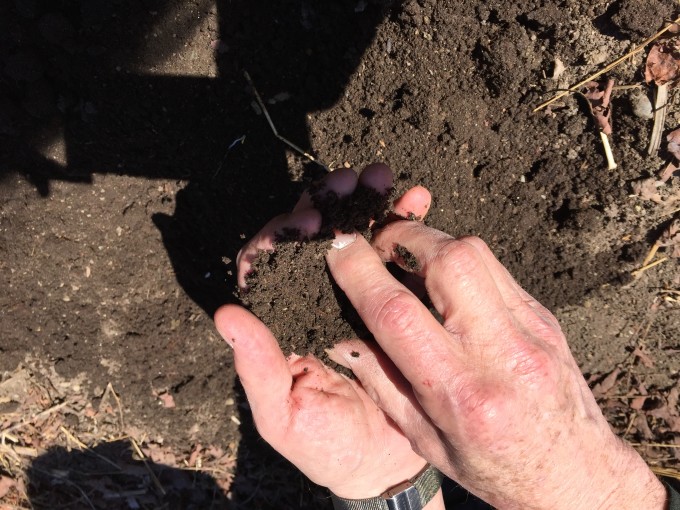
Good gardens start with good soil.
Last time I wrote that every great garden starts with living soil.
Now let’s dig into the dirt a little deeper.
Because once you understand your soil, you can improve it.
Not all soils are the same. Some dry out too fast. Some stay wet too long. Some compact easily. Some are already close to garden heaven–“Black Gold.” The good news is that almost every soil can be improved.
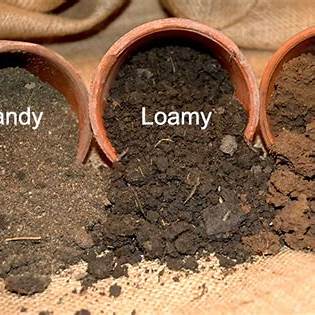
Different soils behave differently, and each one can be improved.
Here is the plain-English version:
| Soil type | What it’s like | What usually helps |
| Sandy | Loose, gritty, dries out fast | Add compost, mulch, water more evenly |
| Clay | Sticky when wet, hard when dry | Add compost, leaves, organic matter and avoid working it wet |
| Silty | Smooth and fine | Add organic matter, compost and keep it covered |
| Loam | Crumbly and balanced | Protect it and keep feeding it |
If your soil is sandy, you are trying to help it hold water and nutrients.
If your soil is clay, you are trying to help it breathe and drain.
If your soil is silty, you are trying to improve structure and prevent crusting.
If your soil is loam, your job is simple: protect it.
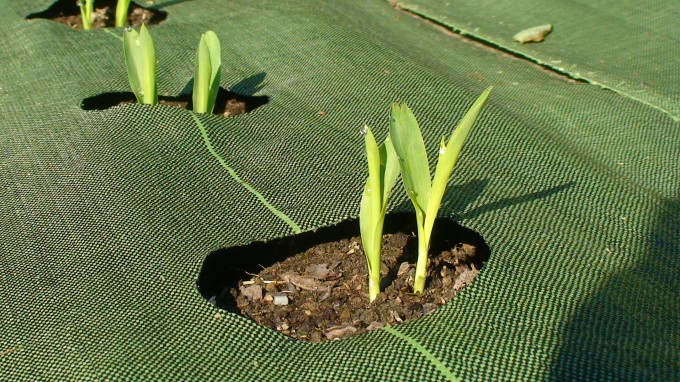
We often dress each hole with compost.
No matter what kind of soil you have, a few things help almost every garden:
Add compost or other organic matter regularly. It can only help.
Keep the soil covered.
Avoid overworking it.
And do not guess about pH or nutrients when a soil test can tell you more.
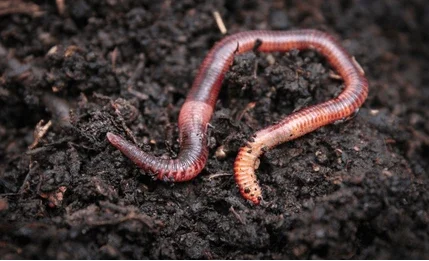
Healthy soil is alive below the surface.
Healthy soil is not just dirt. It is alive. Bacteria, fungi, worms, insects, and other organisms help break down organic matter, improve soil structure, and support healthy roots. That is why adding compost, leaves, and manure over time can make such a difference.
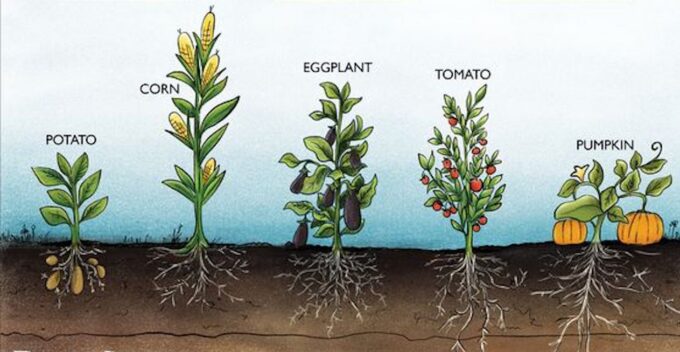
Better soil gives roots a better place to grow.
That is where Garden Mats fit in.
Garden Mats do not replace good soil. They help protect it. They help reduce weed competition, help conserve moisture, and help moderate soil temperature. That gives your vegetables a better chance to thrive while the life in the soil keeps doing its quiet work.
Most vegetable roots spread out, not just down. So when weeds are held back and moisture stays in the soil, roots have more room and less competition.
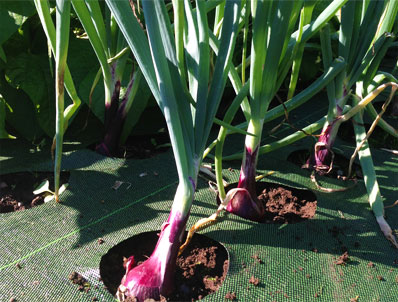
Feed the soil, protect the soil, and the garden gives back.
So if your garden is struggling, do not just look at the seed packet.
Look at the dirt.
Because better soil makes better gardens.
And if you want to learn more about your own local soil, your state Extension Service, local Master Gardener program, and the USDA Web Soil Survey are all good places to start. Extension offices and USDA soil tools are standard places to get local, research-based soil information.


The worm looks like a ‘jumping worm ‘ I have them in my garden.