When to Get Started? When to Plant?
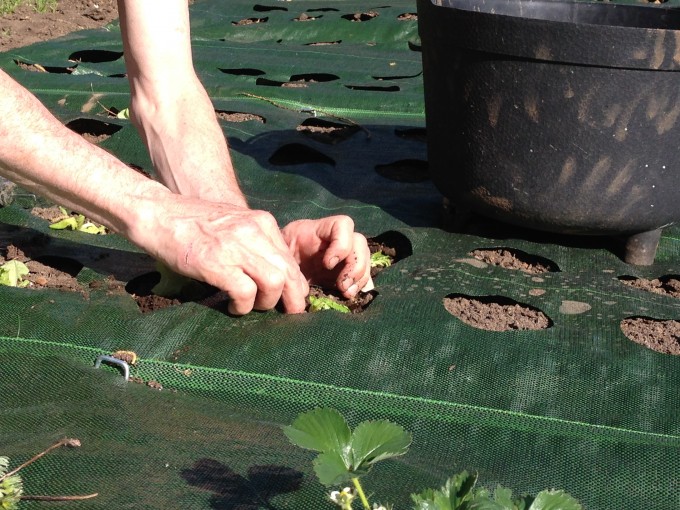
We always look forward to getting our fingers in the dirt!
Well, the question of when to get started totally depends on where you live. If you garden in the Northeast, every spring we usually get a warm spell in April that makes us itchy to get our fingers in the dirt and plant. Where we live, that urge shows up right after (or during) mud season. But be careful – sometimes winter can boomerang back for one last cheap shot.
In Vermont, and much of New England, we usually have to wait until April to put our mats down and then wait until early May to plant cool season crops, and late May to plant warm season crops. But, if you live in Gainesville, Florida, it may already be time to put your mats down and plant your cool season crops.
So when should YOU plan to get started? Instead of guessing, here is a simple system that works whether you are in Florida, Ohio, Vermont, Alberta, or British Columbia.
Start with two numbers
1) Your average last spring frost date (when freezes usually stop).
2) Your soil temperature (especially for warm-season crops).
The easiest way to find your last frost date is the Old Farmer’s Almanac Frost Dates Calculator – just enter your ZIP or postal code. Click on this link:
https://www.almanac.com/gardening/frostdates
The Almanac will show the average last spring frost and the average first fall frost for your location. Remember: average does not mean guaranteed. Use it as a planning anchor, then keep an eye on the forecast when you are about to plant tender crops.
When to put your Garden Mats down
This part is easy – the earlier your mats are down, the better (as long as the soil can be worked and is not too wet).
Before you install the mats, make sure you add and work in any compost, well-aged manure or fertilizer that you plan to add to your soil.
Best timing: as soon as the soil is easily worked – or about 2 to 4 weeks before your main planting push.
Why so early? Once the mats are down, your bed is ‘open for business.’ Garden Mats help block early weeds, protect the bed surface during heavy rain, and can help moderate soil conditions so you are ready to plant as soon as you have the right weather.
When to plant Cool-season vs Warm-season crops
Use this table as a quick guide. Always check seed packets for exact timing and spacing.
| Crop type | Examples | When to plant (relative to last frost) | Soil temperature guide |
|---|---|---|---|
| Cool-season (early birds) | Peas; spinach; lettuce; onions; brassicas (kale, broccoli, cabbage); carrots; beets; radish | Typically 6 to 1 weeks BEFORE your average last frost (Later if your beds are very cold/wet.) |
Cool soils are OK for many; germination varies by crop |
| Warm-season (don’t rush these) | Beans; cucumbers/squash; corn; melons; tomatoes; peppers | Typically 1 to 4 weeks AFTER your average last frost (Later in northern/high-elevation areas.) |
Aim for about 60°F and rising for reliable starts for many warm crops |
For a guide on soil temperature conditions for vegetable seed germination, click on this link:
Oregon State University Extension
Final tip
Some gardeners leave their mats out over the winter (like we do). That can help suppress late-fall and early-spring weeds, but UV and weather may shorten the life of the fabric.
If you do leave them out, a good spring routine is: pull the mats back, work in compost, manure, or fertilizer, then rotate your mats so you don’t grow the same thing in the same spot year after year, re-lay the mats and plant.
With Garden Mats, you spend more time planting and harvesting – and virtually no time weeding.


Thank you. I’m on a trip and read your article. I am so looking forward to this year’s planning.
Any advice on raised bed planting?
I’m 86 and don’t bend down to easily Any more.
We had a post not long ago on raised beds.